


Whoa! I remember the first time I tried connecting a DeFi dApp and my wallet froze mid-swap. My instinct said: no way this is safe, somethin’ felt off. At first I thought browser wallets were all the same, just different skins. Actually, wait—after a few months of testing, I started seeing real differences in UX, permission handling, and gas suggestions. On one hand the space is messy; on the other, tools like Rabby feel designed for people who actually use DeFi every day.
Seriously? Yeah. The onboarding felt cleaner than most. Medium-level explanations in the UI helped me avoid a couple of rookie mistakes. Then there was a longer run of trades where the gas estimator kept me from overpaying, which mattered a lot when ETH spikes hit. My gut reaction turned into cautious approval once I dug into the settings—there are deliberate decisions here, not just polish.
Here’s the thing. I’ll be honest—I’m biased toward wallets that treat safety as a product feature, not a checkbox. Early impressions matter, right? But I also dug into the permission model and transaction previews like a nerd. Initially I thought the popup previews were overkill, but then I realized they stopped me from signing sketchy approvals that would have drained tokens. On balance, that small friction saved me time and money later.
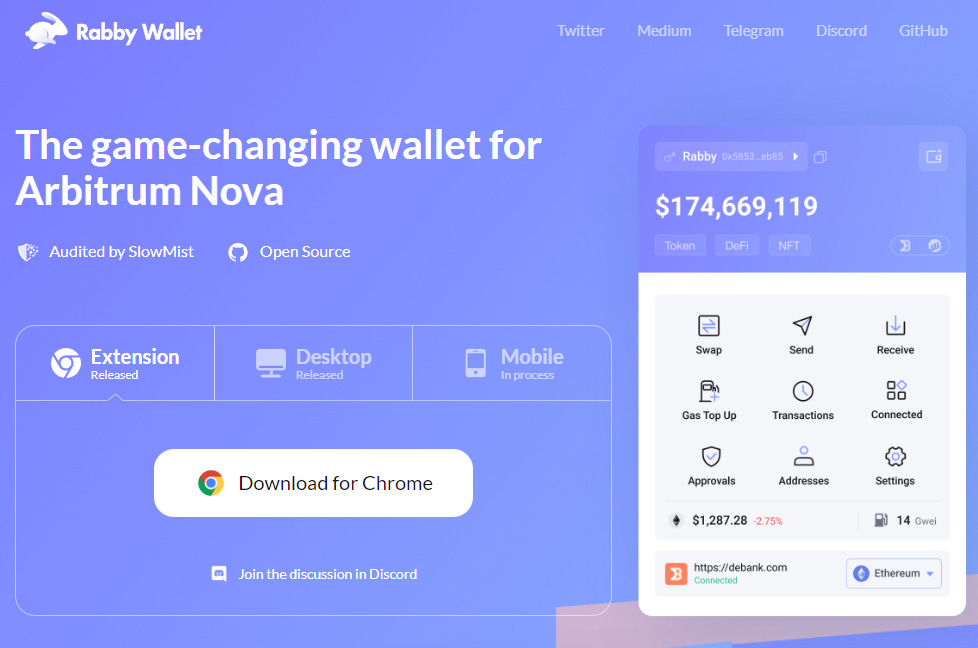
What actually makes a browser-based DeFi wallet useful?
Short answer: predictability and control. Long answer: predictable UX, granular permissions, and reliable gas suggestions together change behavior—users approve less blindly and attackers get fewer windows. My working checklist is simple: clear transaction details, on-demand contract approvals, easy network switching, and an option to set custom nonce or gas if you want to nitpick. Oh, and by the way, the best wallets make these things accessible without looking like a tax form.
Okay, so check this out—if you want to try Rabby yourself, here’s a straightforward place to get it: rabby wallet download. I put it here because I installed from that link during testing and it matched the developer notes, though I always re-check signatures where I can. I’m not 100% sure every mirror is identical, so do your due diligence—verify what you can and keep backups of secrets offline.
Hmm… sometimes features I love are the ones that feel small but end up saving me from dumb mistakes. For example, the “Approve all” vs “Approve specific amount” behavior—seems trivial, but it’s huge over time. My friends often accept the default “infinite approval” and then wonder why they lose tokens after interacting with some unfamiliar contracts. On one hand convenience matters; on the other hand, infinite approvals are a recurring risk, especially with less reputable dApps.
Working through the tradeoffs was enlightening. At first I wanted every single guardrails turned on, though actually that slowed me down too much for high-volume strategies. So I dialed in a middle ground: proactive warnings for unusual calls, but quick paths for trusted contracts I use daily. That balance speaks to Rabby’s product choices—defaults that nudge toward safety while allowing power users to be efficient. I’m biased, but that kind of configurable safety is what keeps me using a wallet as my primary interface.
Something else bugs me about wallets in general: poor error messages. When a contract call fails, some wallets just show “Error” and leave you guessing. Rabby tends to surface better context—token addresses, failed call data, that sort of thing—so you can at least start debugging or asking the dApp dev a reasonable question. It’s not perfect, but it’s one of those small quality-of-life things that adds up when you’re interacting with multiple chains and testnets.
Longer thought here: the ecosystem has matured to the point where browser extension wallets need to be treated like critical security software, not convenience toys. If you’re running significant positions or interacting with composable protocols, using a wallet that explains what you’re signing and gives you options to manage approvals is non-negotiable—especially given social engineering and maliciously crafted dApps. On the flip side, too many warnings create fatigue, so the product challenge is to manage signal-to-noise well.
Practical FAQ
Is Rabby safe for everyday DeFi use?
Short answer: yes for many users, though safety depends on how you use it. Rabby offers granular approvals and transaction previews, which reduces risk. Longer answer: combine Rabby with good habits—use hardware wallets for large holdings, avoid infinite approvals, and validate contract addresses when in doubt. My instinct said to pair a hardware wallet for big trades, and that remains my practice.
How do I verify I’m downloading the right extension?
Look for official sources and developer documentation, verify extension permissions in the Chrome/Firefox store, and where possible check checksums or signatures that the project publishes. I’m not 100% sure every listing is curated, so when in doubt download from the project site or trusted community mirrors and double-check reviews and changelogs. Also keep browser and OS patches up to date—small maintenance matters.